Türkçe içerik hazırlanıyor — the Turkish patient and investigator pages are in translation, pending ethics and legal review.
One Partner.
Complete Trial Delivery.
Hospital-scale patient access. Research-native execution.
Sponsors usually choose between a hospital with the patients and a site that can actually run the study. We are both — an integrated clinical research network working inside the hospital, with our own coordinators, our own SOPs and our own quality system.
Answered by a named person within four working hours.

Türkiye figures, Acıbadem Healthcare Group, 2025.
Twenty-two hospitals. One research organisation. One contract.
Ten of them sit in the İstanbul catchment alone, and all of them run one start-up route, one quality system and our own research staff. You qualify the network once, not each building. That changes four things:
Access
Patients are identified from hospital clinical data and our consented registry — they are already under the group's care, not reached through outside recruitment. One figure for the concentration: the group's own reporting has Acıbadem diagnosing 11% of every breast-cancer case in Türkiye.
Speed
One start-up route for the whole network, not one per site. A dedicated activation team with defined internal turnaround times — never a queue behind clinical service.
Quality
ICH-GCP under a single SOP framework and training curriculum, inside JCI-accredited hospitals — so a protocol behaves the same way across the network.
Control
One named owner answers for the whole study, and a quality function outside the study team can enforce corrective action when a site slips.
Delivery is not a claim. It is the measurement.
Every study is reported plan-versus-actual every month — screened, enrolled, screen-failed, retained, queries open. That record is what earns the next study, and we would rather show it than promise it.
Why Türkiye, what one contract with us replaces, patient access, rare disease, verifiable quality.
Where the hospitals are, procedure volumes, the laboratory and imaging capability a protocol can draw on.
Who is accountable for what, what we do and do not do, and the diligence answers in full.
The team and its track record, and the international research network we belong to.
Request a feasibility assessment.
Send us the indication, the phase and the target number. A named person replies within four working hours — speed is the promise, so the first exchange has to prove it.
Give us the dates you are working to. We answer against your timeline, not a generic one.
A large, treatment-naive population inside one regulatory route.
Treatment-naive panels
Lower prior exposure to investigational therapy than mature Western European markets — what washout and prior-therapy exclusions need.
A parallel approval route
TİTCK and the ethics committee approached in parallel where the protocol allows. The submission stays with you; we prepare every site-side document.
GCP quality, lower cost
JCI-accredited hospitals and internationally trained investigators, at per-patient costs below Western European equivalents.
One country, one route
Every site is in Türkiye: one authority, one ethics route, one contracting framework, one language of operation.
You used to need a local SMO as well. Now you do not.
Running a study here has meant two suppliers: the hospital for access, a local SMO for the people who do the work — two contracts, two quality systems, and no single owner when enrolment slips. We provide both sides ourselves.
- A contract with the hospital for site access and investigators
- A second contract with a local SMO for coordinators and data entry
- Two sets of SOPs, two training records, two quality systems
- Site staff employed by neither you nor the hospital
- When enrolment slips, no single party is accountable
- One contract, covering site access and the full research operation
- Study coordinators, study nurses and site managers employed by us
- Data entry and source documentation performed by our own staff
- Feasibility, budget and CTA in the same scope, with regulatory consultation and all site-side documentation
- One named owner per study, and one quality system with corrective-action authority over all of it
The SMO layer has not been removed from the study. It has been brought inside the network — and made accountable to you through a single contract.
Send us the criteria. We come back with a patient count, by site.
Possible because the group runs one digital infrastructure, not twenty-two. Candidate identification runs under KVKK and GDPR with ethics approval, through a documented pre-screening pathway — and the treating physician makes the first approach, always.
Study data is entered into the sponsor's EDC. Source data, study documentation and study management sit on our own digital platform.
In rare disease, the trial is not the hard part. Finding the patient is.
A rare-disease protocol needs patients who are already diagnosed, already characterised and already in follow-up. Only a tertiary group that already treats them can find them — with in-network genetic diagnostics, an ISO 15189-accredited genetic laboratory, a cGMP cell-therapy laboratory, ASHI-accredited tissue typing and CAR T-cell therapy, first in Türkiye and the region.
Tell us the indication and the inclusion criteria. We come back with what the network can actually reach — including the answer that it cannot.
Group clinical volumes from Acıbadem corporate material, 2025 — the patient concentration a protocol would draw on, not studies run by this network.
Studies run to ICH-GCP, in hospitals inspected by independent accrediting bodies.
These accreditations are held by the hospital group and audited by bodies with no interest in our performance — the part of our quality story you do not have to take on trust.
Regulatory submissions stay with the sponsor or CRO; we prepare and maintain the site-side documentation. The full operating model
Send us the protocol criteria and we will tell you what the network can reach.
Request a feasibility assessmentDensity is the point, not the site count.
Every site is in Türkiye, and each is in one of three states — nothing is shown as capability until that site can consent a patient.
One catchment, several sites
Ten hospitals draw on one İstanbul population, and a candidate found in one is referred to the trial site under the same record. If a site under-enrols, the study is rebalanced to another inside the same contract — a correction, not a change order.
Procedure volume, 2025
6.5 million patient visits, 180,000 surgeries, 351,252 chemotherapy sessions, 21,098 IVF cycles, 945 kidney, liver and marrow transplants. Per-indication volume comes from hospital records at feasibility.
Infrastructure, recorded per site
Study pharmacy and controlled-temperature storage, imaging (3T MRI, PET-CT, MR-Linac, CyberKnife), an ISO 15189-accredited central laboratory, genetic diagnostics, a cGMP cell-therapy laboratory and monitor workspace.
Most of what a protocol needs is already inside the group.
Complex protocols fail on the things around the visit — a genetics test sent out of house, a cell product with nowhere to be handled, a patient who cannot travel for follow-up. Acıbadem runs those capabilities in-group.
Hospitals and medical centres
The study sites themselves — inpatient beds, study pharmacy, imaging and radiotherapy in the same building as the clinic.
Laboratories and genetics
The ISO 15189 clinical laboratory and the group's ASHI-accredited tissue-typing laboratory — biomarker and genetic confirmation without an external referral chain.
Cell therapy and cord-blood bank
Cell laboratories and long-term biological storage alongside the transplantation and CAR T-cell programmes — the handling environment advanced-therapy protocols ask for.
Mobile and home healthcare
Care and follow-up beyond the hospital, which is what makes home and hybrid study visits practical.
University and academy
A health-sciences university in-group, so investigator development and GCP training are institutional rather than improvised per study.
Health technology and AI
One digital infrastructure across the hospitals — the data layer that makes candidate identification a query rather than a campaign.
Ecosystem capabilities are the hospital group's. Which of them are contracted into a given study is defined per protocol at feasibility.
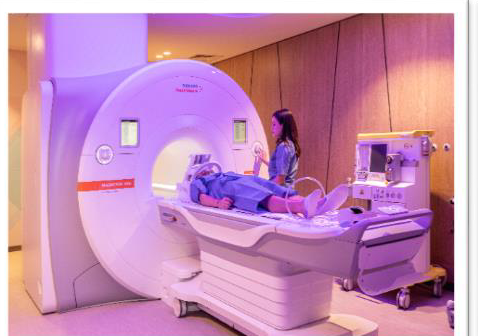
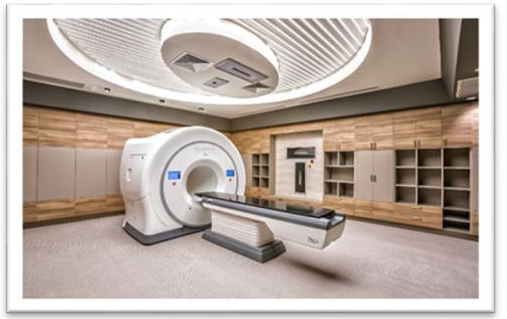
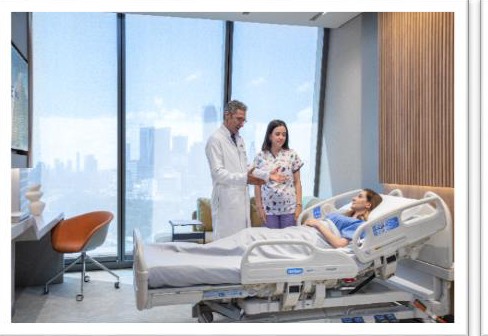
See where the studies would actually run.
Clinics, operating theatres, imaging and inpatient environments from the group's own hospitals — the setting a monitor walks into.
Corporate video

Send us the protocol criteria and we will tell you what the network can reach.
Request a feasibility assessmentA team that has organised and managed clinical trials for a living.
Start-up, site management, monitoring readiness, contracting, quality systems — the work a site is judged on is the work this team has spent its careers doing. We employ the research staff and answer for their performance; nothing is subcontracted to a third party you would then have to manage.
In this market, sponsors buy the operator.
Real names, real photographs, real responsibilities.
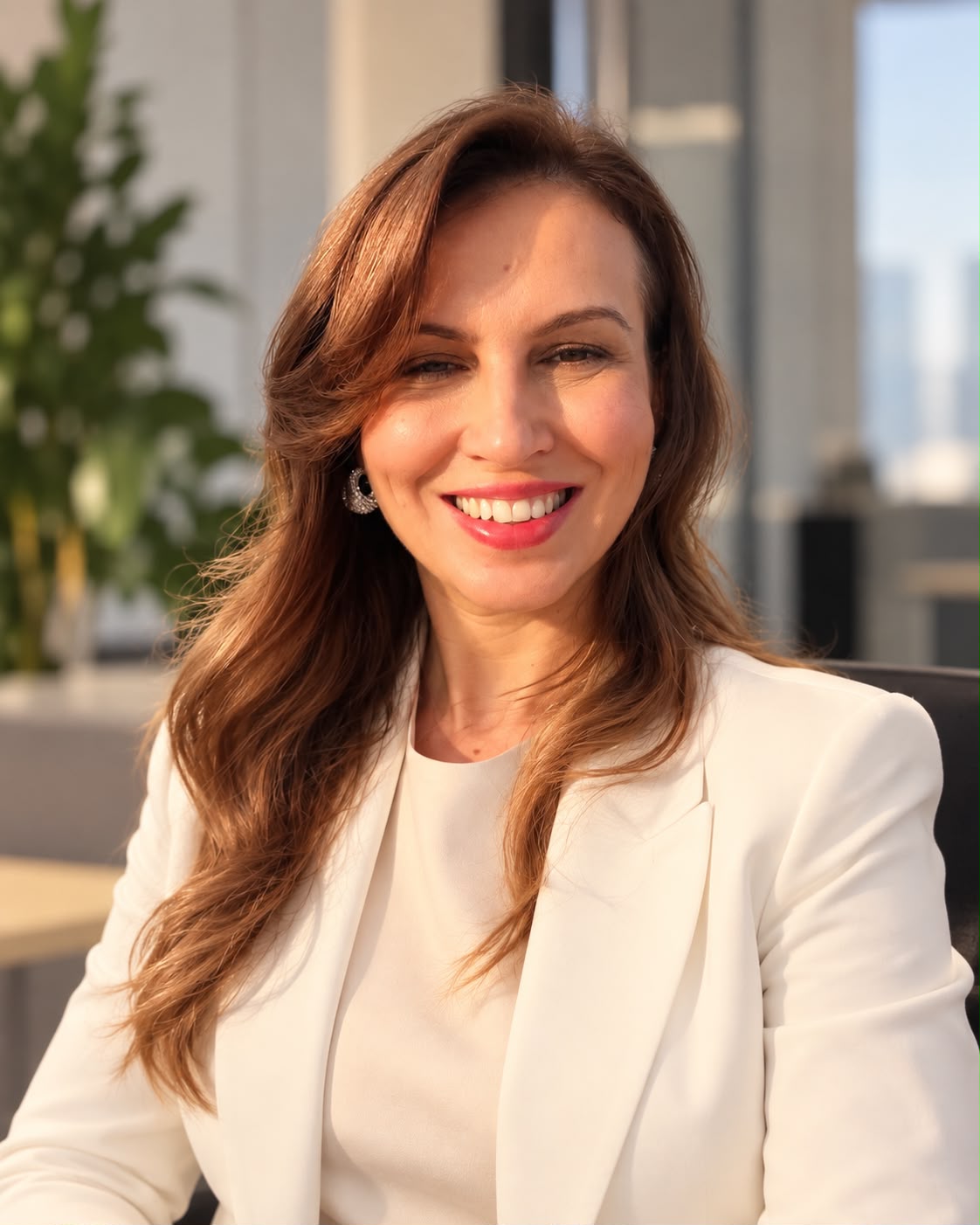
Şeniz Sağol Tüysüz
Twenty-five years in clinical research, most of it in executive roles — most recently building research operations inside a hospital group. As Clinical Research Director for a large Turkish hospital group she ran several hundred Phase II and III trials: start-up, contract review, study budgets, investigator relations and institutional payments, including the establishment of new Phase I and clinical research units.
Before that, Country Head of Clinical Operations at IQVIA Türkiye — large-team management and organisation across monitoring, regulatory and start-up — and a decade of global project management across Europe, Asia-Pacific, Latin America, the Middle East and Africa. Pharmacist by training, certified clinical research trainer.
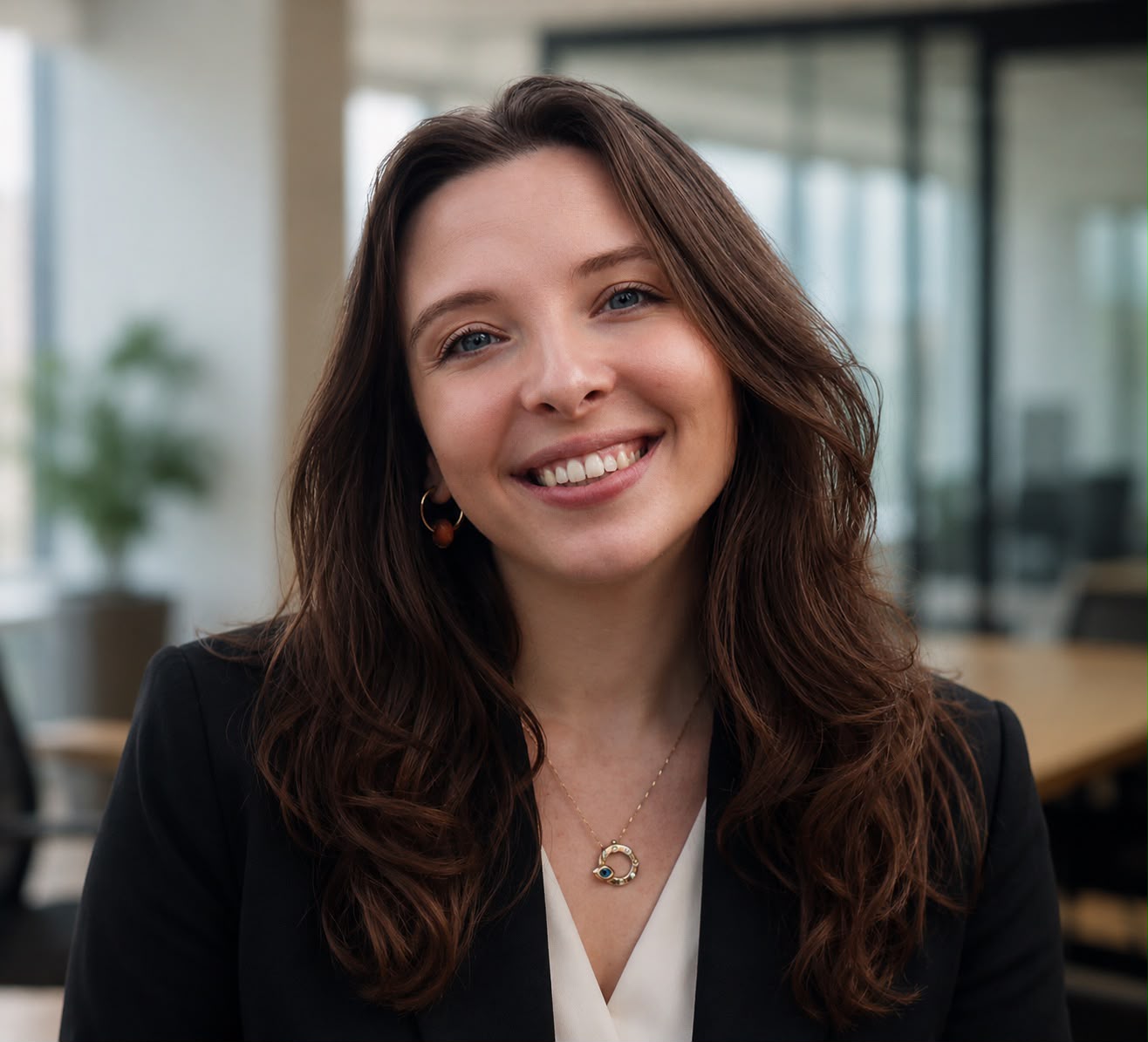
Aylin Şahin
Six years across site and CRO environments, with depth in oncology and complex trials. From study coordinator on Phase II and III oncology trials — patient visits, regulatory documentation, data entry — through clinical monitoring and site oversight, to leading clinical research teams.
At Acibadem Research she builds the site operations layer: delivery at each hospital, and wider patient access to research. Oncology, haematology, immunology, diabetes and infectious disease. Biologist by training, Hacettepe University.
Acibadem Research is the Türkiye network of an international integrated clinical research network.
Same operating standard, same quality system, same contracting position in every market the network enters — which is why the standard here was proven before our first study opened.
Research is how our doctors practise, not extra work.
The physicians who lead our studies treat these patients every day. What they gain is access to therapy that is not yet routine; what they do not take on is the operational load.
“At Acıbadem, our physicians are genuinely committed to research — not just as part of their role, but as part of who they are as clinicians. They want to be at the forefront of science, actively engaged in the work that shapes the future of medicine.”
“Being involved in research means our doctors can offer patients access to innovative treatment options, often ahead of the curve. It also means they are not just delivering care — they are helping define what better care looks like, for today's patients and tomorrow's.
This is what sets our team apart: physicians who see research not as an obligation, but as an opportunity to lead.”
Research is part of the care you already receive.
Before a new medicine, device or treatment method can be used widely, its safety and efficacy have to be demonstrated. A study that does this, with patients who agree to take part, is a clinical trial.
Information only, not medical advice. There is no application form — participation always begins with the doctor treating you.
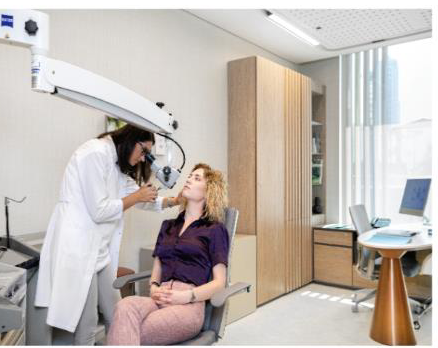
Participation always begins in the consultation room, with the doctor who already treats you.
Your consent
You are given detailed, understandable information first; the Informed Consent Form is the written record of your agreement. You may ask anything before signing, and withdraw at any time without affecting your care.
Who runs the study
A principal investigator — a physician with specialist training in the field of the study — leads a team with the training and experience the study requires.
Who approves it
Every study is reviewed by an independent ethics committee and by TİTCK, and authorised and inspected by the Ministry of Health — before any patient is approached.
Cost
Study treatment and study-required tests are not charged to you, and travel expenses are reimbursed within reason. No payment may be offered to persuade anyone to take part.
Your data
Study records are pseudonymised: the sponsor sees a code, not your name. Personal data is handled under both KVKK and GDPR.
For further information about clinical research, and whether it may be relevant to your medical care, please speak with your physician.
Information on clinical trials registered in Türkiye is also publicly available through the TİTCK Clinical Trials Portal: kap.titck.gov.tr
Definitions follow the public patient information published by the Turkish Medicines and Medical Devices Agency (TİTCK).
Research isn’t something we do on the side. It is what we do.
Our coordinators, research nurses, site managers and quality professionals are employed to do research full time — with clear objectives, dedicated training, modern systems and a career path they can actually see. If you are used to fitting trials around a clinical role, this will feel different.
Your job is research
You are employed by Acibadem Research, not temporarily seconded from another role. Your objectives reflect study delivery, patient experience, quality and compliance — not unrelated clinical throughput.
Training is part of the job
Everyone starts on the same foundation: ICH-GCP and role-specific training from day one. Records are held centrally and refreshed on schedule, and expectations do not change from one site to another.
Capture it once, where it happens
One digital platform across the network, being implemented and validated before the first patient is enrolled. Information is captured at the source, not reconstructed from paper after the visit.
Local teams, international studies
Phase II–IV work with global sponsors and CROs across oncology, cardiometabolic disease, immunology, neurology and rare disease. International standards shape the daily work, not just the week before an audit.
A role should lead somewhere
A coordinator can become a lead coordinator or site manager, or move into quality, study start-up or data management. As the network grows, new roles keep opening — and we would rather fill them with people who already know our standards and our patients.
Where you would work
Inside Acıbadem hospitals, alongside the treating teams — the patients are already there.
We don’t hire titles. We hire ownership.
We build teams before studies begin, not after the pressure arrives — so applications are read continuously rather than against a single vacancy list. Physicians lead studies as investigators while remaining employed by their hospitals.
Clinical Research Coordinator
Make every visit work.
Coordinators connect the patient, protocol, investigator and sponsor: visit conduct, source documentation, scheduling and sponsor queries across a defined study portfolio. They notice what is missing before it becomes a problem. Nursing, pharmacy, biology or a related degree; GCP and role-specific training provided.
Site Manager
Own the site, not just the schedule.
The named operational owner of study delivery at a site: recruitment plan versus actual, staffing, monitor visits and escalations. They know what was planned, what is happening and what needs to change — and act before a small issue becomes a study risk.
Feasibility and Contract Specialist
Make activation predictable.
A fast yes means little if it is not an informed one. This role tests study opportunities against protocol requirements and the site’s real capabilities, and coordinates feasibility, contracts, budgets and essential documentation. The goal is not simply to start quickly — it is to start ready.
Quality and Training
Independent by design.
Quality does not sit inside the study team it reviews. This function owns internal audits, deviations, CAPAs and the training curriculum, with the authority to identify gaps, require corrective action and verify that improvements actually happened.
- The record is part of the result. Research has to be reproducible, traceable and trusted.
- English is a working tool. Not perfect English — enough to ask questions and take ownership with sponsors, CROs and monitors.
- Systems make good work scalable. Comfort with digital tools, visible workflows and clear measures.
- Potential counts. Prior GCP or trial experience is welcome; for coordinator roles it is not always required. We can teach the process.
- Your application is reviewed within ten working days — it will not sit in silence.
- An honest conversation about the role and the reality of the study environment.
- A practical discussion with the people closest to the work, usually a site manager or quality lead.
- Offer, a structured onboarding plan and the training required before your first patient visit — no surprises on day one.
Tell us where you would fit.
Send your CV even if you do not see your exact role. We are building teams ahead of study starts.
Applications are handled under GDPR and KVKK.
Who is in charge, and who can enforce.
Access without control is not capability. This page sets out what we control, who employs whom, and where the authority to fix a problem actually sits.
Inside the hospitals, on the same side of the table as the treating teams.
Acibadem Research is the research function of the Acıbadem group. Our coordinators and nurses work in the group's clinics, use its pharmacy, laboratory and imaging, and sit alongside its physicians as one team around the patient.
What we add is the research discipline that a hospital is not built to carry on its own: a dedicated research team, one SOP framework, independent quality oversight, a validated technology stack and a single commercial framework — the operating standard of the international research network we belong to, proven before our first study opened.
A system, not a service.
People
Research coordinators, study nurses, trial administrators, site managers and quality leadership — employed and performance-managed by us.
Procedures
One SOP set, one training curriculum, one quality system across every site in the network.
Technology
One digital platform across the network for source data, study documentation, consent and study management — selected and now being implemented and validated.
Commercial
Feasibility, contracting framework, budget methodology, sponsor and CRO relationships.
Accountability
Quality oversight with corrective-action authority — one organisation answerable to the sponsor.
Evidence
Plan-versus-actual measurement on every study, every month — the record that wins the next study.
The nine questions sponsors ask before they place a study.
Who employs the research staff?
The Acibadem Research team — research coordinators, study nurses, site managers and quality leadership, all employed and performance-managed by us.
Who owns the SOPs?
One SOP framework, one training curriculum and one quality system across every location in the network.
Who manages study start-up?
A dedicated activation team with defined internal turnaround times — not the hospital's clinical departments.
Who owns the regulatory submission?
The sponsor or CRO — regulatory submissions are not in our scope. What we do provide is consultation on the local regulatory and ethics route, and preparation of every document required from the site.
Who negotiates budget and the CTA?
Centrally, from standard positions, once for the whole network — hospital-side terms included.
Who performs data entry?
Site coordinators enter data into the sponsor's systems — inside the same scope and the same quality system as the rest of the study.
Who is accountable for recruitment?
One named operational owner per study — the site manager — reporting plan-versus-actual every month.
Who can enforce corrective action?
Central quality oversight, with authority across all research staff and independent of the study team.
How are investigators structured?
Hospital physicians as principal investigators, supported by our employed research staff. The clinician keeps clinical judgement; we carry the operational load.
One organisation inside the hospitals: their patients and physicians, our research team and standard. Qualify it once.
Request a feasibility assessment